
 A crate may be described by your dog as “a private room which I can use as a quiet, secure corner of my own in the home”. While understanding how to crate train a puppy, you should understand that it is his personal sanctuary where he can get some comfort and privacy, while you too have a secure feeling about him. And that will make you successful in the crate training process.
Philosophy behind Crating
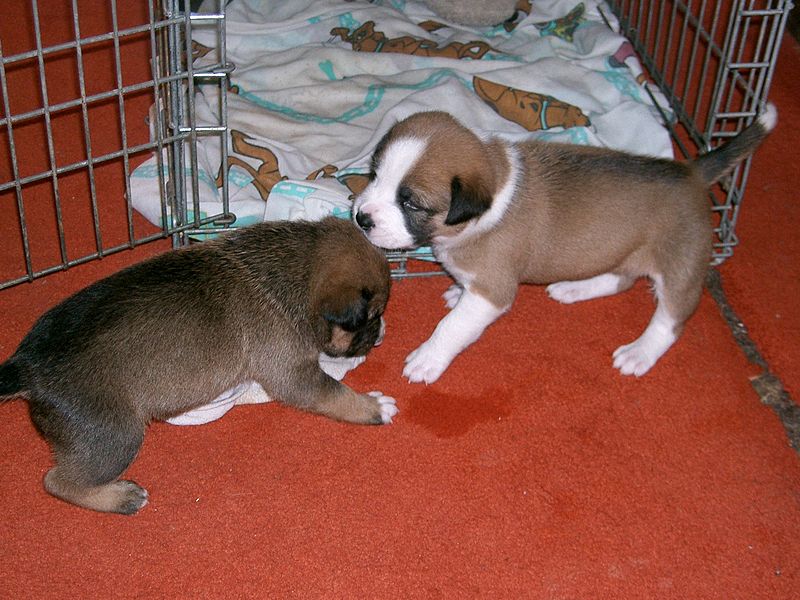
The philosophy behind crating is the natural instinct of a dog as a den animal. A wild dog has his den which is his home, a place to relax, be safe from danger and raise a family. Thus when you bring a crate for your dog, it should become his naturally favorite place – an ideal place to snooze and get refuge from a thunderstorm.
Crating Precaution
You should understand that a crate is not going to be liked by your dog naturally, if you don’t try for it. If you don’t make use of it correctly, the outcome may be negative, i.e. the dog may feel anxious, frustrated and trapped in the crate.
Choosing A Crate
There are numerous types of crates available in the market, like:
The sizes of crates too vary quite a lot. Crates should be bought at one of the pet supply shops or pet supply catalogs.
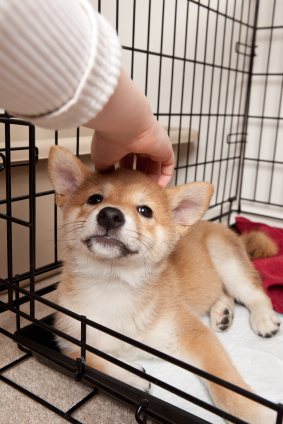
Crate size should be just big enough to let the dog stand up and turn around inside. If your dog is growing still, the size should be such that it will accommodate his adult size. If there is any extra space in the crate, block it off, so that the dog cannot eliminate in a corner and retreat to the other. You may rent a crate from your local animal shelter. Renting a crate is useful for crating your dog till he grows to an adult size and once he does, you can invest in a correct sized permanent crate.
Process of Crate Training
How long crate training will take depends on the dog’s age, personality and past experience. It may take some days or even weeks. You should keep some things in mind while crate training your dog:
Step 1: Introduction with the Crate
Position the crate in a room where the family spends most of the time, like a family room. Put a soft towel or blanket in the crate. Keep the door open and let the dog explore the inside at his pace. Some dogs immediately like such a place and start sleeping in there. If your dog is not amongst them:
Bring him near the crate and speak with him in a loving tone. Ensure that the door is open and secured, and won’t hit the dog.
Attract your dog inside the crate by keeping a food treat first near it, then just near the door and lastly right inside the crate. If he is not tempted with food, you can also use a toy or any of his favorite things. If he refuses to enter at first, it’s okay; don’t force him.
Step 2: Feeding Inside the Crate
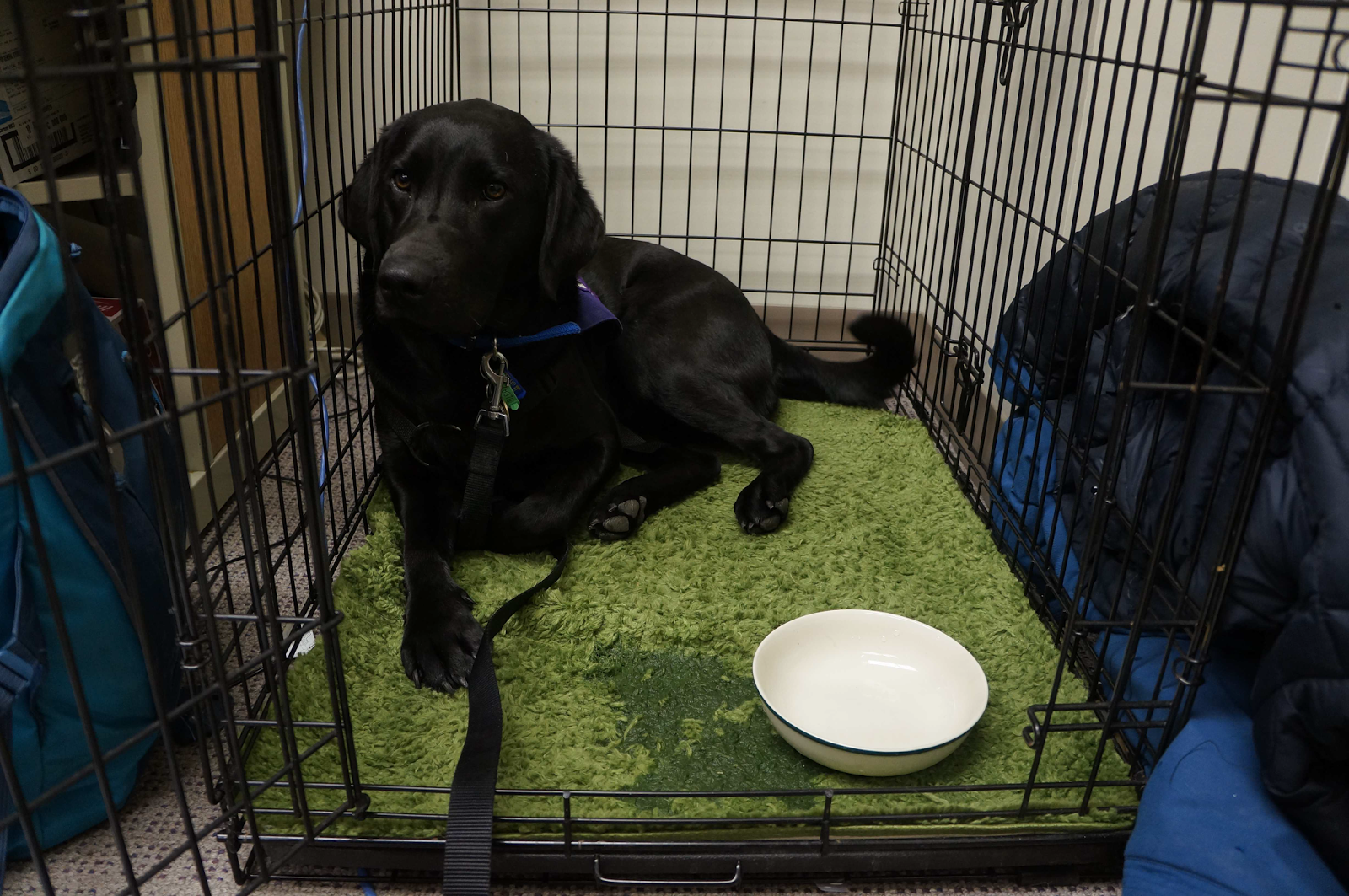
Once the dog is introduced to the crate, start feeding him near the crate, so that pleasant memories will be associated with the crate. If the dog is readily eating inside the crate, you can keep the food dish at the back of the crate, but if he is not, keep it just near the door, so that he can eat it keeping him half outside. Then keep the dish a little further every time. Once he starts standing inside the crate while eating, close the door. But initially, take care to open the door right after he finishes. Then each time lengthen this time a little, till he gets a practice of remaining inside for ten minutes after eating. Go very slowly and don’t force about anything. If he whines to be let out, you have lengthened the time too fast. Don’t do that.
Eventually you should apply steps like lengthening the period of crating while you are at home and later when you are not at home.
Potential problems while crating are whining and crying of the dog when he is inside the crate at night. If you cannot make out whether he is in need of letting out or eliminating, understand that he might be testing you and stop whining soon. If whining continues for many minutes, use the phrase associated with going out for eliminating. If he responds, take him out.
The entire crating process should be done patiently and treating the dog very lovingly all the time. If he doesn’t like to go in the crate or keeps whining while inside the crate, without the need of eliminating, you may need to start the crate training over again. So, be patient and humane with the dog. You can even do this, if you really love your dog!
