
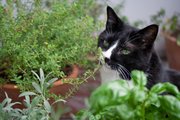
 If you are a Nature lover, you are surely fond of plants and animals equally, and have maintained both of them in your home, so that you should be near them. But do you know that some beautiful-looking house plants may prove dangerous to your pets being poisonous? Yes, over 700 plant species contain poisonous substances which may be bad for your cat’s or dog’s health. Degree of toxicity may be from mild to severe, and sometimes pets may even die. Therefore if you have pets in your home, you should be careful about your home greenery and avoid poisonous house plants. As house plants are known by multiple names, you should inquire about a plant carefully while buying it. Here is a small list of popular house plants which are toxic for your pets if ingested.
Asparagus Fern
Asparagus fern is also known as emerald fern, emerald feather, plumosa fern, lace fern or sprengeri fern. It is toxic for cats and dogs. It contains a poisonous substance called sapogenin – a steroid commonly found in various plants. If berries of this plant are eaten by your cat or dog, signs like vomiting, abdominal pain and diarrhea can occur. If the pet is often exposed to it, skin inflammation may also be caused.

Corn Plant
Corn plant is also called dracaena, ribbon plant, dragon tree or cornstalk plant. It contains a toxic substance – saponin which when ingested, vomiting (with or without blood), depression, appetite loss and excessive salivation can take place. Cats may have dilated pupils.

Dieffenbachia
Dieffenbachia is also called tropic snow, dumb cane or exotica and is poisonous to cats and dogs. If ingested, it can cause oral irritation, particularly on lips and tongue. This can further result in excessive salivation, vomiting and difficulty in swallowing.

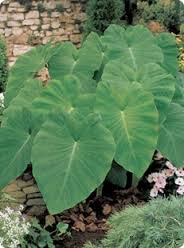
Elephant Ear
Elephant ear is commonly called taro, ape, cape, caladium, via, via sori, pai and malanga. It is toxic for pets and upon ingestion and causes similar reactions like that of dieffenbachia, i.e. oral irritation resulting further into vomiting, difficulty in swallowing and excessive salivation.
Lilies
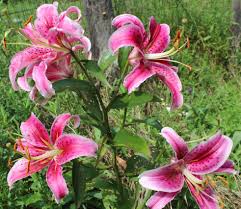
We are very fond of the beautiful lilies and plant them in our homes. But remember that many species of lily are toxic to either dogs or cats. The Easter and stargazer lilies are toxic to cats, the ingestion of which causes vomiting, loss of appetite and lethargy, which may even result into kidney failure and death if remains untreated. On the other hand, the species dangerous for dogs as well as cats is the peace lily (aka Mauna Loa) which causes oral irritation, excessive salivation, vomiting and difficulty in swallowing.
Cyclamen
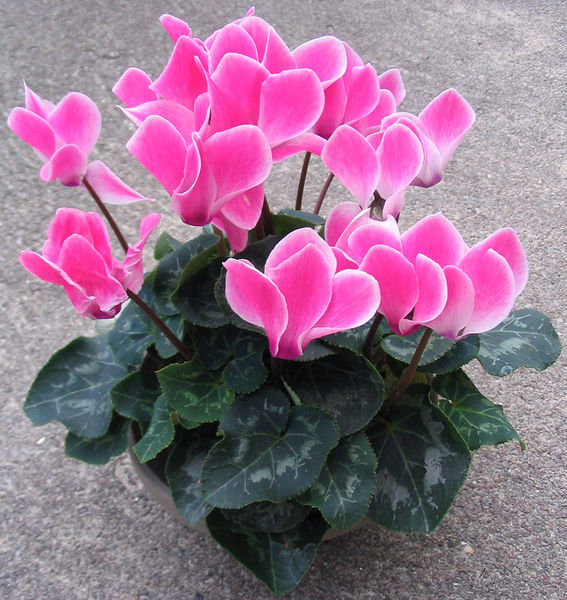
The lovely Cyclamen or Sowbread is actually toxic for cats and dogs. It causes same symptoms like dieffenbachia upon ingestion. If the tubers (below the soil) are eaten by these pets, abnormal heart rhythm, seizures and even death can take place.
Heartleaf Philodendron
Heartleaf philodendron is also called cordatum, horsehead philodendron, fruit salad plant, panda plant, fiddle leaf, red emerald, saddle leaf or red princess. Being easy to grow, it is a popular house plant, but it is harmful to cats and dogs. The symptoms upon ingestions are similar to that of dieffenbachia.

Jade Plant
Jade plant is also called baby jade, jade tree, Japanese/Chinese rubber plant, friendship tree or dwarf rubber plant. It is toxic to cats and dogs, but its toxic property is not yet known. It causes depression, vomiting, ataxia (non-coordination) and bradycardia (reduced heart rate – rare).

Aloe
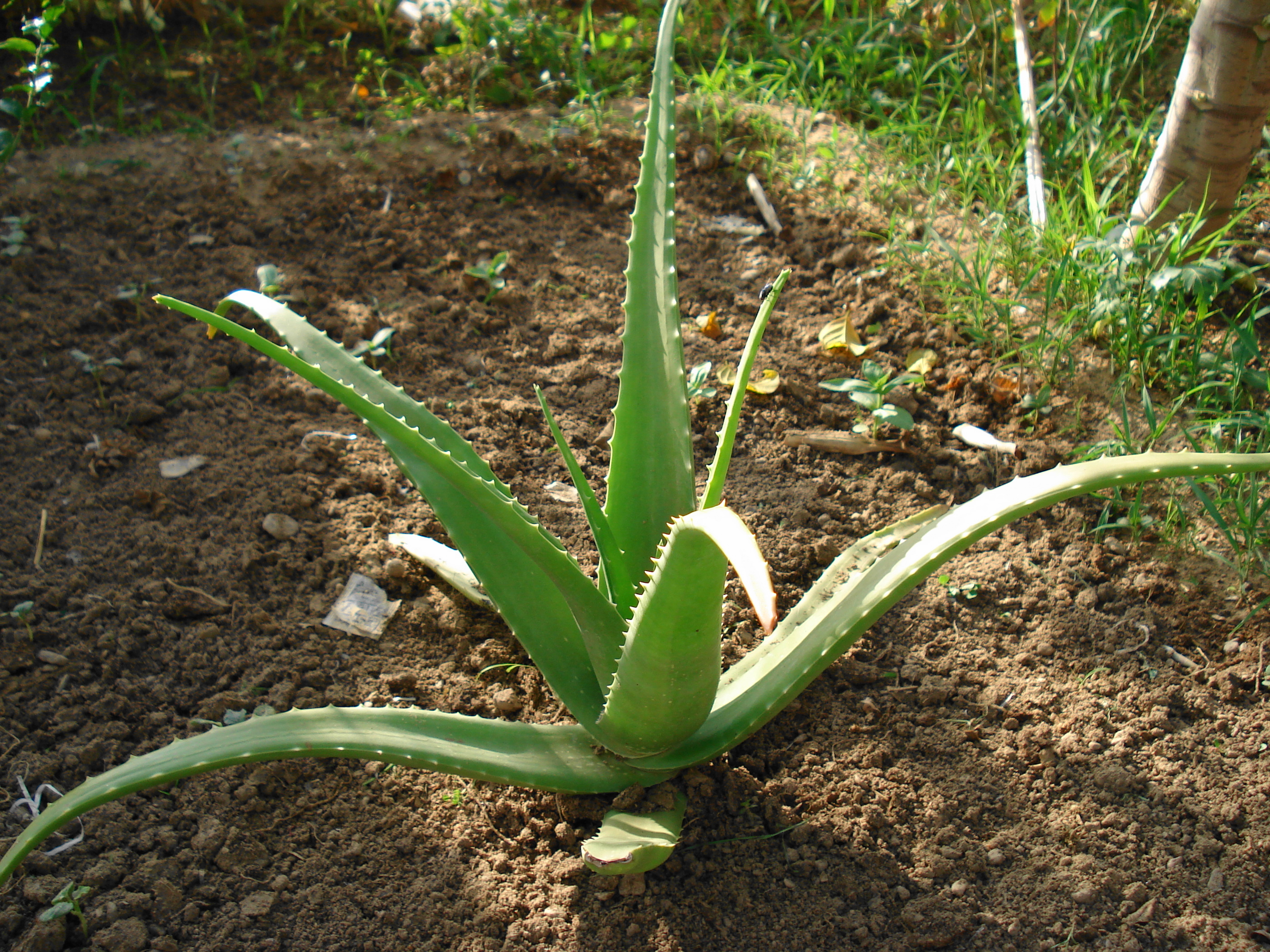
The medicinal aloe plant too is toxic to cats and dogs. The toxic agent it contains is aloin, which is a bitter yellow substance and can cause reddish urine and/or vomiting.
Satin Pothos
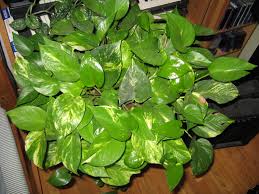
Satin pothos are also called silk pothos and is harmful to cats and dogs. It causes similar symptoms as that by dieffenbachia, i.e. excessive salivation, irritation of lips and tongue, difficulty in gulping and vomiting.
Therefore, be careful next time while buying those beautiful foliage and flowers for your home, considering your poor pets. There is no need to give up your hobby of home gardening for the fear of toxicity to pets. You should just inquire thoroughly about their toxic/nontoxic properties and then decide whether to buy them or not.