
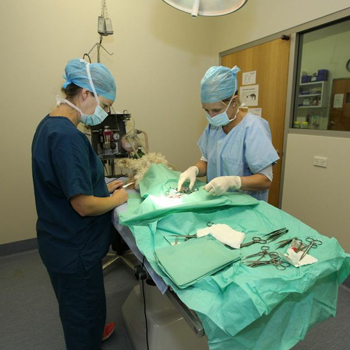
 Are you getting shattered with the thought of desexing your beloved doggy? Do you feel that you are doing some sort of injustice to her/him? Do you feel bewildered with a thought of the surgical process to be done to your dear pet? If yes, you will be happy to know that desexing is not only a desired, safe and painless method of birth control, but also prolongs your pet’s life and keeps her/him disease-free! Here we would take more info on male dog desexing and that will definitely rid you from the stress.
Benefits of Desexing
In male dogs, desexing reduces the risk of prostate problems, while in females it reduces the likeliness of developing mammary glands cancer and uterine infections. Desexing also lessens behavioral issues, like aggression, urine marking and roaming in males, and mating behavior as well as false pregnancy in females. Because of the control over the roaming behavior, the risk of getting hit by vehicles is also reduced.
Let’s now know something about the actual process of desexing so that you will be more relieved.
What does Desexing Involve?
Desexing of male dogs involve removal of testicles. In females, it involves removal of uterus and ovaries. The animal is constantly kept under general anaesthesia throughout the surgery; so, your doggy doesn’t feel any pain. Male dog desexing is also called neutering, sterilization, castration and orchiectomy (or gonadectomy). This is a routine surgical procedure and performed in most veterinary clinics.
During the surgery, both of the dog’s testes and testicular epididymi are taken out together with sections of spermatic ducts and testicular blood vessels. The other parts of the male reproductive system like prostate, penis, urethra, bulbis glandis and most of the spermatic ducts and testicular blood vessels are left untouched. In short, the parts that are removed are responsible for production and maturation of sperms and discharge of testosterone (the main male hormone). Because of their removal the possibility of the dog’s fathering young is eliminated. Another possibility of passing of any genetic disorder to further generations is also eliminated. Many testicular conditions and testosterone-induced diseases are also prevented.
At What Age should I Get My Dog Desexed?
6 months is the ideal age for desexing in both males and females, of dogs as well as cats. This is beneficial because the sex organs are less developed at this age and so, the animal doesn’t undergo much of trauma during their removal.
Visit Ku Ring Gai vet (Gordon Vet Hospital) for complete information of male and female dog desexing as well as many other pet issues and concerns. The hospital has been serving the North Shore for over 40 years and the vets here pride themselves for giving professional pet care, along with the gentle attention and compassion to all the animals and a sympathetic and understanding treatment to their owners. The partners, Scott Lackenby and David Loneragan are supported by a great team of experienced and caring vets and nurses. In short, your pet is absolutely in safe hands in this hospital and you need not worry about her/him at all. What else do you want to stop worrying?