
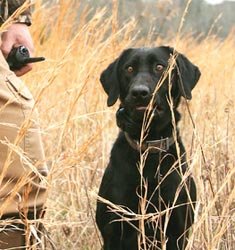
 For buying the right training color for your dog, you need to know exactly what you want it to do. Using the right remote collar, you can train your dog to do almost anything. However, collar types are many and you should be able to know your specific need. There are collar systems for teaching basic obedience commands, and there are also systems for field training or hunting. There are collars to train more than one dog and there are collars that work for a deaf or blind dog. From these, you have to choose what you need and so, you should know about them thoroughly. In this regard, I recommend you to visit a very good website of my friend to know everything about training collars for dogs. Here you will come to know about the different uses of training collars, what they should not be used for, their different types, how to buy them, expert’s views and much more.
Different Types of Training Collars
As said earlier, there are vast numbers of training collar types and choosing amongst them may be a little daunting.
The way of working of these collars may seem to be a bit gruesome, but in fact they are life-savers for your most loyal friend. Some of these collars use electronic shock corrections to get good training results. They are adjustable, easy to use, effective and perfectly humane, and therefore they are very popular.
But there are some other types too. E.g. there are some which use vibrations. And some others combine electronic shock corrections and vibrations. Ultrasonic training systems are also available, which work using sound signals which only dogs can hear. Still other type is of remote spray collars if you don’t like the electronic shock corrections much.
You can choose depending upon your choice and thinking regarding which will work best for you and your dog.
Needs of Your Dog
Besides knowing about your training needs, knowing about your dog’s needs is also important, like his size, age, temperament and level of experience. E.g. if your dog is stubborn and hard to train, an electronic shock collar is right for him. For a small toy breed dog or an especially sensitive dog, however, even a mild shock correction may be too much. Slightly older dogs who have already received a certain level of training respond well to mild electronic corrections or also training collar systems which work on the basis of correction methods like spray, sound or vibrations.
Benefits of Using Training Collars
Many people think of training collars as some dangerous device when they hear the word “shock”. However the shock is just like an annoying pulse, nothing more. Therefore, not only for training your dog, but also to save his life when he acts overenthusiastic and incurs a dangerous situation, training collar is necessary for your dog.