
 Your pets are your best friends. Therefore keeping them in good health is your duty. One of the worst health issues about pets is fleas. Fleas are common in homes where there are dogs and cats as pets. And even homes with no pets can fall prey to fleas through other means. They usually flourish in summer months. They are tiny insects of dark brown color proliferating in shady and moist areas. They prefer temperatures ranging from 65° to 80° C and humidity from 75% to 85%; once they occur, you should get rid of fleas in yard, house and all those places where they can thrive.
Fleas infest pets upon contact with other animals and also through environment. Fleas have got strong back legs and therefore are able to jump from one host to the other, and also from the environment to a host. They don’t have wings and so they don’t fly. The bite of the fleas causes itching but if the host is flea-allergic or sensitive, the itching can be very severe and can result into inflammation, hair-loss and secondary skin infections.
How to Find Out that Your Pet is Infested by Fleas?
Pruritis is the desire of a dog to scratch, rub, chew or lick the skin affected by severe itchiness. When your dog suffers from pruritis, you can find out the reason if it is fleas, because fleas lingering around the affected area are visible to unaided eyes, unlike the microscopic Scabies Mites or Demodex. They are about the size of a pinhead and dark copper colored. They dislike light, so you can spot them mostly in the furry areas, belly and inner thighs of your pet.

You should also look for flea dirt. It looks like dark pepper specks on the skin. These flea feces are made of digested blood; so, if you see them, pick some of them and place on a wet tissue. If after some minutes, they are scattered like a small blood stain, you can say that they are flea dirt and your pet is infested by fleas.
Life Cycle of Fleas
If the life cycle of fleas is understood it is much better to understand how the treatment options work, because the modern products treating or preventing fleas work upon different phases of their life cycle. The stages of the life cycle are many and are: egg, caterpillar or larva, cocoon or pupa, and adult. The time duration of the life cycle varies according to the environmental factors, like humidity, temperature and nourishment from the host.
Fleas host upon warm-blooded animals like cats, dogs and even humans. But the various stages in their life cycle are pretty resistant to freezing temperatures. An adult female flea lives on the pet often for many weeks. During this period, every day she sucks the host’s blood 2-3 times and lays 20-30 eggs. Thus during her lifespan she lays hundreds of eggs. These eggs fall off the host pet in the yard, carpet, bedding and all the places frequented by the animal.
Then these eggs develop in places where they are dropped. They are about 1/12th of the size of the adult, so they can develop between the crevices in the carpets or in small cracks in the floor. They hatch into a larva. These look like small worms and live inside the carpet fibers, floor cracks and various places in the yard. They feed on skin scales, organic substances and even feces of adult fleas that are blood-rich.

During their development, the larvae molt twice and then produce a cocoon and pupate. These pupae are extremely resilient and are defended by the cocoon. They can survive for a considerably long time, till they get favorable environmental conditions and right host to hatch into adults. When they get all conditions in their favor, they detect it through vibrations, heat and exhaled carbon dioxide, which indicate that a host is around. So, the newly hatched adult flea jumps on the nearby host.
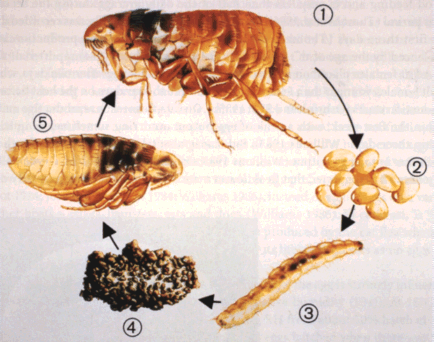
The duration of this life cycle is just of fourteen days in optimal conditions. So, you can imagine the havoc when tens of thousands of these little menaces can emerge if the conditions are the most favorable.
So, you can understand the importance of treating your pet for fleas as well as treating the places too to eradicate these nasty pests. Just sprinkling a flea powder or using a flea topical on your pet or vigorous vacuuming of your home or placing a flea collar won’t give you complete results.
Prescription Medications
Today’s modern medicines are highly effective and can make pet-owners take a sigh of relief for achieving an effective flea-control. In some cases, it is possible even to control only by treating the pet. Some of them don’t affect the adult fleas, but rather stop the eggs from hatching, and thus break the life cycle. So, these products are effective in flea control as long as the pet is not coming in continuous contact with new fleas.
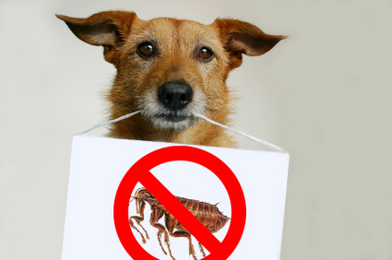
This treatment is workable in warmer climates, but in other type of climates, you should start the treatment in early spring, i.e. before the flea season begins. Moreover, these types of products are bad for animals that are hypersensitive to flea saliva, because the adult fleas are not killed and continue to bite the pets.
Treating the Environment
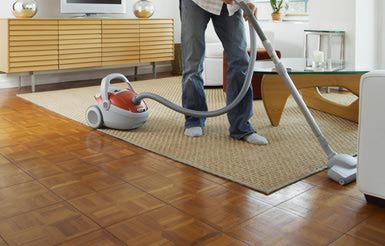
It is not enough only to treat the pets, but the indoor and outdoor environment in your house should also be treated for fleas. Wash all the bedding in hot soapy water, if your pet spends time in your bed. Steam-clean or vacuum all the carpeting too and throw away the vacuum bag. But even after these treatments, a considerably large population of adult fleas can remain alive and so, some type of chemical treatment is also necessary. Highly effective foggers like methoprene and aerosol foggers, sodium borate products, etc can be used for this. When it comes to yard, sprays and pelleted insecticides are normally used. An insect growth regulator like pyriproxifen can also be used.
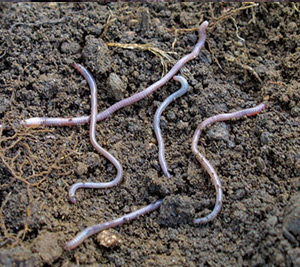
Non-toxic nematodes are also a preferred choice to control the spread of fleas, because they feed on flea larvae.
Consult your veterinarian about the most suitable and effective method of flea-control you can use for your pet, because s/he is your best source for the latest information.